Table of contents
Delving into the world of lymphatic techniques reveals a fascinating blend of ancient wisdom and modern innovation. Both traditional and contemporary approaches offer unique benefits, enhancing overall wellness in distinct ways. Continue reading to uncover how these methods work together to promote a balanced, healthier body.
Understanding lymphatic function
The lymphatic system is a sophisticated network of vessels, nodes, and organs that plays a pivotal role in maintaining optimal health. Responsible for transporting lymph fluid throughout the body, it ensures proper fluid balance by collecting excess interstitial fluid and returning it to the bloodstream. This process not only prevents tissue swelling but also promotes body detoxification by efficiently removing cellular waste, toxins, and metabolic byproducts. Lymphatic drainage is the technical term used to describe the movement of lymph, and it is essential in supporting the body’s ability to defend against pathogens. Through its intricate network, the lymphatic system filters out harmful substances, delivering immune cells to areas where they are needed most for immune support.
Integral to the body’s immune response, the lymphatic system houses white blood cells that identify and target invading bacteria and viruses. These immune cells, located within lymph nodes, act as sentinels by trapping and neutralizing threats, contributing significantly to the body’s resilience and overall health benefits. By facilitating both immune support and body detoxification, the lymphatic system ensures that the internal environment remains stable and less susceptible to disease. Understanding the flow of lymphatic drainage and its impact on fluid balance reveals why maintaining this system’s function is vital for sustained well-being and longevity.
Traditional lymphatic techniques
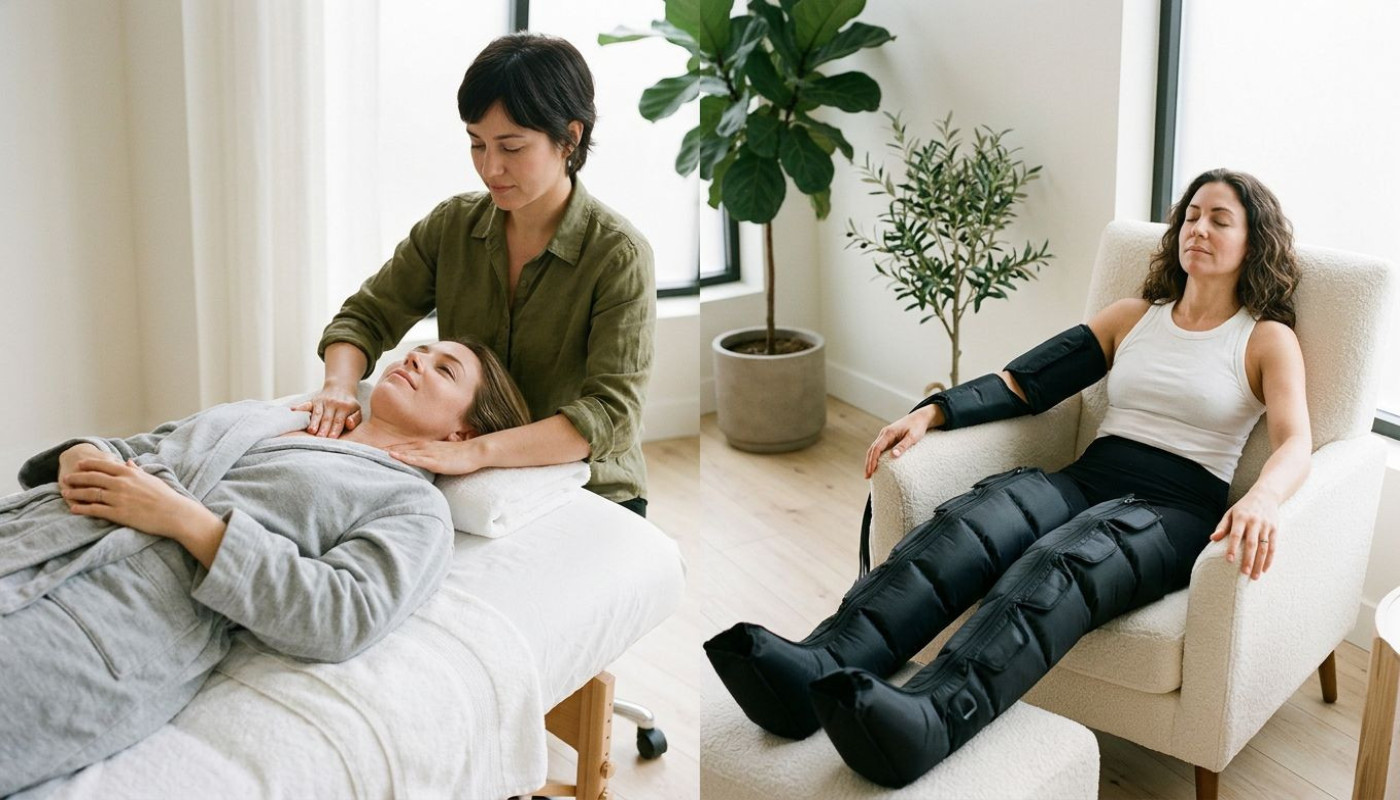
Traditional lymphatic methods draw from centuries-old natural therapies, with manual lymphatic stimulation and dry brushing standing as two foundational practices. Manual massage, historically rooted in Eastern European and Asian wellness traditions, employs gentle, rhythmic hand movements across the skin’s surface to promote the flow of lymph—a vital component of the body’s immune response. Practitioners target specific lymph node clusters and pathways, aiming to reduce fluid retention, support detoxification, and enhance the immune system’s efficiency. Dry brushing, another holistic wellness approach, involves sweeping a natural-bristle brush in long, upward motions along the limbs and torso. This technique is believed to not only stimulate lymph circulation but also exfoliate the skin, invigorate the nervous system, and energize the body’s overall physiology. Reports from both clinical settings and home users frequently cite improved skin texture, decreased swelling, and heightened relaxation as outcomes.
Recognized for fostering a deep sense of balance and rejuvenation, these traditional lymphatic methods have become increasingly popular as individuals seek out holistic alternatives to modern medical interventions. Manual lymphatic stimulation, in particular, is valued for its gentle, non-invasive nature, making it accessible to individuals of varying ages and health backgrounds. Dry brushing complements this approach by offering a simple, self-administered daily ritual that fits seamlessly into most wellness routines. Together, these practices exemplify the enduring appeal of time-tested natural therapies and their ongoing relevance for those pursuing comprehensive, preventative healthcare strategies focused on self-care and vitality.
Modern advancements in lymphatic care
Rapid progress in modern lymphatic techniques has transformed the management of lymphatic disorders, offering individuals new hope for effective relief and improved quality of life. Machine-assisted lymphatic drainage, notably through the use of lymphatic drainage machines and pneumatic compression devices, delivers precise, controlled pressure cycles to affected limbs. This approach aims to stimulate lymphatic flow and reduce swelling with a consistency that manual therapy cannot always achieve. Advanced compression therapy, featuring adjustable, segmented garments and digital monitoring, enhances traditional bandaging by adapting pressure levels to the patient’s dynamic needs, promoting better outcomes and comfort.
Comparatively, manual lymphatic drainage relies on hands-on manipulation, a skill-intensive process that can vary in effectiveness due to practitioner technique and patient-specific anatomy. In contrast, modern lymphatic techniques such as pneumatic compression have been validated by substantial clinical evidence, showing measurable benefits in reducing limb volume and improving mobility for individuals with lymphedema and related conditions. Studies demonstrate that these advanced therapy options can be safely integrated with older methods, providing a comprehensive approach that leverages the strengths of both traditional expertise and technological innovation. As research in contemporary lymphology continues, the synergy between conventional practices and modern devices is expected to define the future of lymphatic care.
Comparing benefits and limitations
In the landscape of lymphatic therapy comparison, both traditional and modern lymphatic techniques present unique benefits and challenges. Traditional methods, such as manual lymphatic drainage (MLD), have been practiced for decades in wellness centers and clinics, offering an approach rooted in gentle, rhythmic movements that follow lymphatic pathways. These techniques are widely recognized for promoting relaxation, supporting immune function, and addressing localized swelling. Accessibility can be an issue, as highly skilled therapists are often required, which may limit availability and increase cost. On the other hand, modern lymphatic therapies incorporate advanced technologies like pneumatic compression devices and specialized machinery, expanding access in urban wellness centers and even home care. These innovations aim to enhance comfort during sessions and provide more consistent pressure, though their effectiveness can depend on individual needs and the specific technology employed.
When evaluating therapy effectiveness and therapeutic efficacy, both traditional and modern lymphatic techniques demonstrate measurable benefits. Traditional approaches are praised for their holistic impact on circulation and overall well-being, often supported by longstanding anecdotal evidence and growing scientific interest. However, the lack of large-scale, controlled studies remains a concern for those seeking robust scientific validation. Modern techniques typically undergo more rigorous clinical testing, providing data on specific outcomes such as reduction in edema and improvement in lymph flow. This evidence-based advantage appeals to individuals seeking measurable results and reassurance from wellness evaluation metrics. Still, the personalized touch and adaptability of manual techniques can be challenging to replicate with automated systems.
Comfort plays a significant role in the benefits of lymphatic techniques. Traditional manual methods are often perceived as soothing, with therapists adjusting pressure and movement to suit individual preferences. This personalized care can enhance relaxation and patient satisfaction, especially for those new to lymphatic therapy. Modern approaches introduce mechanical devices that may feel less personal, though they excel in delivering consistent and adjustable treatment for larger populations. In terms of accessibility, innovations have made lymphatic therapy more widely available, especially in metropolitan areas where advanced devices are integrated into spa and clinical settings, such as those featured at maison-ysae.com, a provider of lymphatic massage in Bangkok. This expansion supports diverse client needs and schedules.
Scientific validation remains a key differentiator in the traditional vs modern debate. While modern lymphatic techniques benefit from clinical studies and technological advancements, traditional methods continue to gain acceptance as research expands and integrative medicine bridges the gap between ancient wisdom and contemporary science. Practitioners and clients alike are encouraged to perform a comprehensive wellness evaluation, considering both the therapeutic efficacy and individual comfort. Ultimately, the choice between traditional and modern approaches should reflect personal health goals, accessibility, and preferred style of care to ensure optimal therapy effectiveness and a positive experience.
Integrating techniques for optimal health
Integrating lymphatic techniques for optimal health requires a holistic approach that thoughtfully blends both traditional and modern methodologies. A chief specialist in integrative health recommends developing a personalized lymphatic care plan, which factors in individual health needs, lifestyle, and goals. Beginning with a thorough assessment, select appropriate traditional methods—such as manual lymphatic drainage or herbal remedies—alongside modern technologies like pneumatic compression devices or advanced imaging. Personalization is key; the choice of therapies and their frequency should match the unique requirements of each individual, ensuring maximum benefit and safety.
To safely integrate lymphatic techniques, ongoing monitoring of progress is vital. This allows for timely adjustments in the lymphatic wellness plan, ensuring that any changes in health status are addressed promptly. It is advisable to keep open communication with healthcare providers, sharing updates as new symptoms or improvements arise. Such an integrative lymphatic strategy supports the body’s natural detoxification processes while minimizing risks. By combining proven traditional practices with the latest medical advancements, readers can experience more balanced lymphatic function and overall well-being, ultimately achieving a truly personalized approach to lymphatic health management.
Similar

Exploring The Journey From Skepticism To Spiritual Healing
Exploring The Latest Trends In Decorative Nail Stickers For Every Season
Exploring The Blend Of Culture And Convenience In Boutique Hotels

Migraine: symptoms and diagnosis.